Your pet’s nose is usually cool and wet—but what if it suddenly turns dry? Don’t panic. A dry nose doesn’t always signal something serious. In this blog, we’ll cover when to relax, when to take notice, and how to keep your furry friend comfortable.
Why Are Pet Noses Usually Wet?
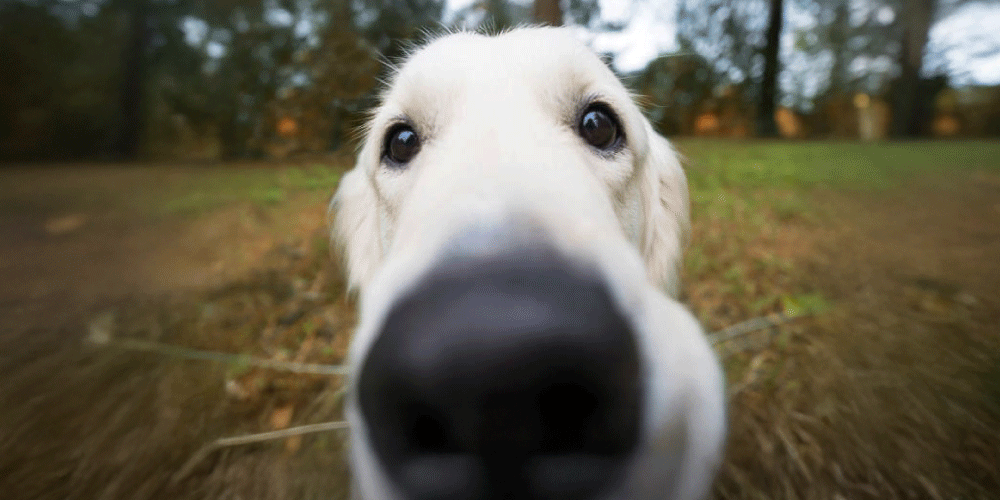
A moist nose helps dogs and cats regulate their body temperature, trap scents, and stay hydrated. Their noses naturally secrete mucus, and constant licking keeps them damp.
Common Reasons for a Dry Nose
Here are a few harmless causes of a dry nose in pets:
- Just woke up: It’s common for a dog or cat to have a dry nose after napping.
- Weather conditions: Dry air, wind, or sun exposure can all zap moisture from their snouts.
- Indoor heating or AC: Artificial climate control can dehydrate skin and noses.
- Dehydration: Mild dehydration can lead to a dry nose—always ensure fresh water is available.
- Lack of licking: Older pets or those with limited mobility may lick less often, causing dryness.
When to Be Concerned
A dry nose alone isn’t usually a red flag, but if it comes with other symptoms, it could be worth a vet visit. Keep an eye out for:
- Cracked, bleeding, or scabbed nose
- Discolored or excessively warm nose
- Loss of appetite or energy
- Thick discharge or unusual sneezing
These may point to allergies, infection, or underlying illness—especially if symptoms persist.
What You Can Do
If your pet’s nose is a little dry but they’re otherwise happy and healthy, there’s usually no need to worry. A few things you can do to help:
- Keep them hydrated: Fresh, clean water is essential.
- Use a humidifier: Particularly in winter or air-conditioned homes.
- Protect against sunburn: Especially in light-colored or short-haired pets.
- Consider a balm: Pet-safe nose balms can help soothe dry, cracked skin.
Summary
A dry nose doesn’t always mean your pet is unwell. It could be something as simple as a nap or dry weather. But if it comes with other signs of illness, it’s worth getting a professional opinion. Either way, understanding what’s normal for your pet is the best way to catch anything unusual early on. For more wellness tips, check out our Weekly Wisdom Blog or stock up on supplies in our Health Supplies for Dogs or Health Supplies for Cats collections.